
Insulin Resistance Diet | Insulin Resistance Dietitian

Someone mentioned insulin resistance at your last appointment, and now every snack feels like it needs a permission slip. That confusion is common. Insulin resistance is rarely explained in a way that actually tells you what to do with it day to day.
In case you're new here, I'm Isbel Cano, a bilingual Registered Dietitian Nutritionist and founder of Basic Habits. If you are looking for support with insulin resistance, you are in the right place. Below I'll walk through what this diagnosis actually means, what helps, and how a real plan can start to feel manageable.

What Is Insulin Resistance Nutrition Support?

Insulin resistance means your body needs more insulin than it used to in order to move sugar out of your blood, which is often an early signal before prediabetes or diabetes develops. This matters because it can quietly affect energy, cravings, weight, and mood long before a formal diagnosis shows up. Left unaddressed, it tends to feel like your body is working against you, when really it just needs a different kind of support.

Most Common Symptoms of Insulin Resistance

Afternoon energy crashes: Feeling wiped out a few hours after eating, especially after carb-heavy meals.


Intense sugar cravings: Wanting something sweet shortly after a meal that should have kept you full.


Difficulty losing weight: Doing everything "right" and still not seeing the scale move the way you expect.


Brain fog: Struggling to focus mid-afternoon in a way that feels tied to what you ate at lunch.


Frustration with labs: Feeling confused or dismissed when a number comes back borderline instead of clearly diagnosed.

Does This Sound Like You?

Do I crash hard after carb-heavy meals? This often points to blood sugar swings that structure can smooth out.


Do I feel like my weight won't budge no matter what I try? This can be a sign your body needs support with insulin sensitivity, not just calorie counting.


Do I crave sugar shortly after eating? This usually means a meal wasn't balanced enough to keep you steady.

Step 1

Reach out to share what you've been told about insulin resistance and what's felt hardest.

Step 2

I schedule your initial session and check your insurance coverage in advance.

Step 3

Your first session becomes the starting point for a plan built around your real pattern, not a generic list.

What Working Together Looks Like

This support may be a strong fit if you: - Have been told you're insulin resistant or borderline prediabetic - Feel stuck between "you're fine" and "you need to fix this" from your doctor - Want practical structure instead of a list of forbidden foods This approach may not be the best fit if you: - Want a plan that eliminates entire food groups without a medical reason to do so

How I Support Insulin Resistance

My approach centers on pairing foods and timing meals in a way that supports steadier blood sugar, rather than removing entire categories of food out of fear.
In sessions, I walk through your current eating pattern, your labs if available, and where small adjustments in pairing and timing can make the biggest difference. I build from what you already eat, not a menu that ignores it.
Progress usually shows up first as steadier energy and fewer cravings, often within the first few weeks of small, consistent changes.

Meet Your Insulin Resistance Dietitian

Logo reading “BASIC HABITS” with “NUTRITION CENTER” beneath on a white background
Hi, I'm Isbel Cano, RDN. I work with women navigating insulin resistance and early metabolic changes, helping them understand their bodies instead of fearing every food choice.

What Topics Can We Work On in Nutrition Counseling for Insulin Resistance?

  • Balancing meals to reduce blood sugar swings
  • Understanding labs without panic
  • Reducing reliance on quick fixes or trend diets
  • Building consistent energy throughout the day
  • Supporting weight goals through steadier blood sugar, not restriction

Tips and Resources for Coping With Insulin Resistance

  • Add protein or fat to carb-heavy meals to slow the blood sugar response, rather than cutting carbs out entirely.
  • Notice your energy about ninety minutes after eating. A crash there is useful information, not a failure.
  • Move a little after meals. Even a short walk can help your body use sugar more effectively.
  • Johns Hopkins Medicine has accessible resources on insulin resistance nutrition if you want additional reading between sessions.

Woman standing in a modern kitchen, smiling and holding a phone, wearing a white top and beige pants

Bilingual Registered Dietitian Nutritionist and founder of Basic Habits LLC.
My approach centers on pairing foods and timing meals in a way that supports steadier blood sugar, rather than removing entire categories of food out of fear.
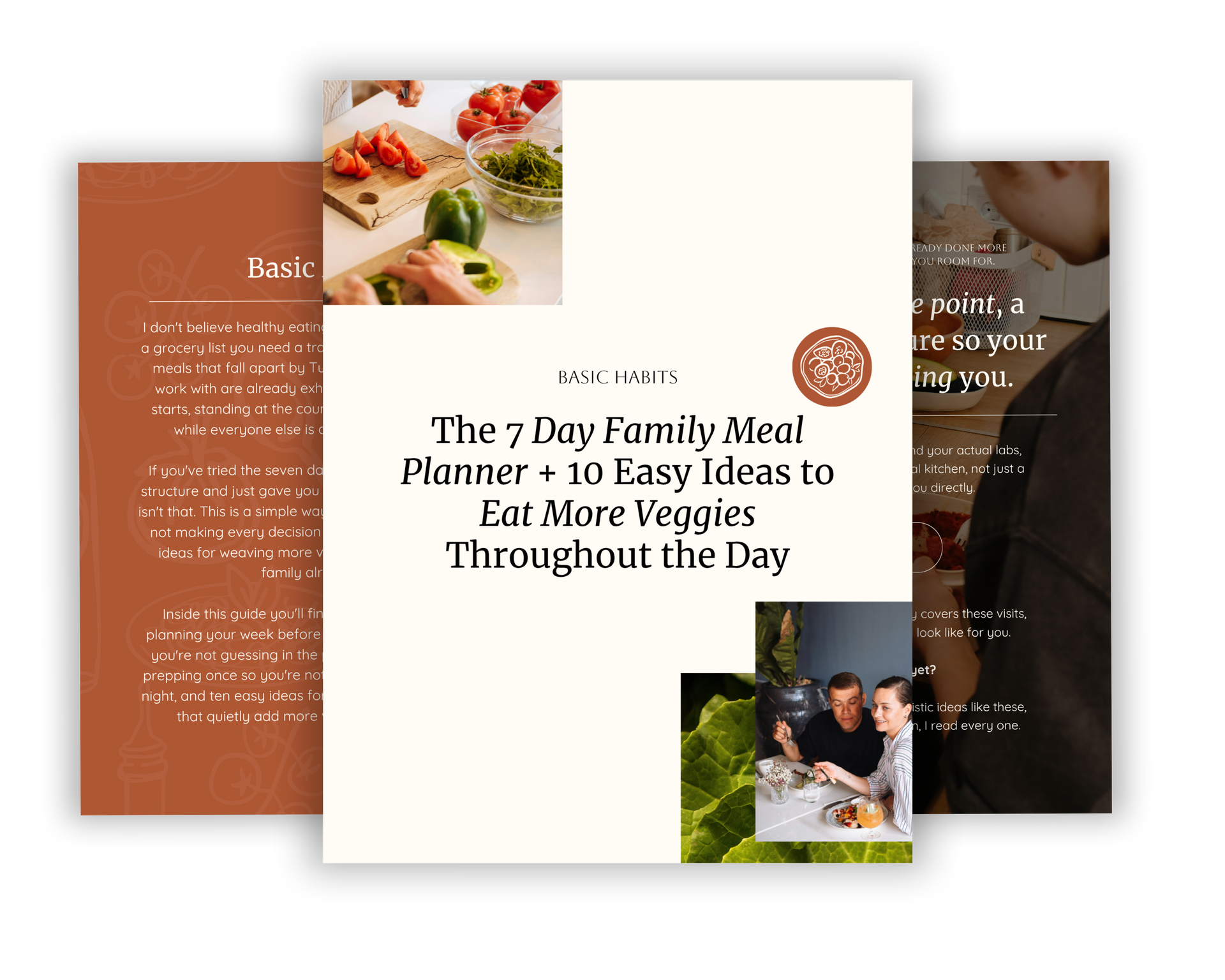
Graphic of a meal-planning booklet cover about eating more vegetables, with food photos and orange-brown panels

Investment


$150 initial visit (45 to 60 minutes), $75 follow up visits (30 minutes)

  • A full initial visit covering your history, labs, and goals
  • A personalized nutrition plan built around your real schedule and culture
  • Ongoing follow ups to adjust your plan as your life changes
  • Most sessions are covered by insurance, and we'll help you check your coverage before you book

Common Questions About Insulin Resistance

What is the best diet if you have insulin resistance?

There's no single best diet. The right approach balances carbs with protein and fiber and fits your actual schedule, which is exactly what I map out with you.

What should I eat first in the morning for insulin resistance?

A breakfast with protein and fiber tends to support steadier blood sugar than a carb-only breakfast, though the right combination depends on your body and your labs.

What foods trigger insulin resistance?

No single food causes insulin resistance on its own. Patterns like frequent refined carbs without protein or fiber tend to make blood sugar swings more noticeable.

What is the fastest way to treat insulin resistance?

Sustainable changes in meal timing, pairing, and movement tend to outperform quick fixes, and often show noticeable results within a few consistent weeks.

Which foods are worst for insulin resistance?

It's less about a single worst food and more about pattern. Refined sugar and carbs without any protein or fiber tend to cause the sharpest swings.
You don't have to decode this diagnosis on your own.
If you are ready to begin support for insulin resistance, I invite you to schedule your consultation.